Biblioteca Vaisnava
Vedic philosophy platform
Biblioteca Vaisnava
Vedic philosophy platform
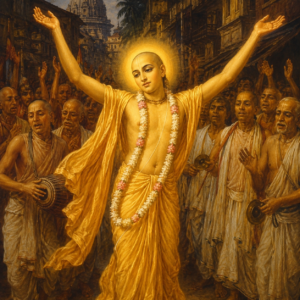
Śrī Caitanya Mahāprabhu
Biografía
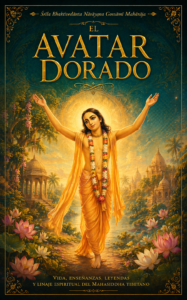
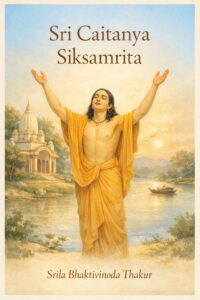
Śrī Caitanya Mahāprabhu (1486-1534) is revered as the central figure of Gaudiya Vaishnavism and is regarded by his followers as Kṛṣṇa Himself appearing in a unique devotional mood to distribute divine love (prema) to all living beings. Born in Navadvipa, Bengal, he emerged during a period of vibrant intellectual and religious activity in medieval India.
Initially celebrated as a brilliant scholar, Caitanya later underwent a profound spiritual transformation and devoted his life to teaching devotion to Kṛṣṇa. His movement emphasized that the highest spiritual attainment is not ritual expertise or philosophical speculation but pure love of God expressed through heartfelt devotion.
One of his most enduring contributions was the promotion of nama-sankirtana, the congregational chanting of the holy names of God, as the primary spiritual practice for the present age. He also articulated the theological principle of acintya-bhedabheda, the doctrine of inconceivable simultaneous oneness and difference between the individual soul and the Supreme.
Gaudiya theologians understand Caitanya as a unique manifestation of Kṛṣṇa imbued with the love and inner mood of Srimati Radharani. This understanding places him at the heart of the tradition’s theology and explains why his teachings focus so deeply on the nature of divine love and intimate devotion.
Although he authored only a small number of verses, his life and teachings were preserved by disciples and later scholars, particularly the Six Goswamis of Vrindavan. Major works such as the Caitanya-caritāmṛta and Caitanya-bhagavata remain foundational texts for understanding his philosophy, spiritual practices, and lasting influence on Vaishnava traditions worldwide.