Biblioteca Vaisnava
Vedic philosophy platform
Biblioteca Vaisnava
Vedic philosophy platform
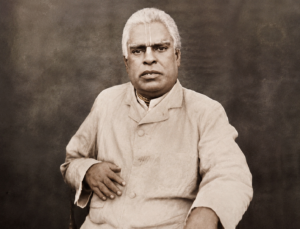
Srila Bhaktivinoda Thakura
Biografía
Śrīla Saccidānanda Bhaktivinoda Ṭhākura is regarded as one of the most influential figures in the modern history of Gauḍīya Vaiṣṇavism. Revered as a visionary ācārya, he played a decisive role in reviving the teachings of Śrī Caitanya Mahāprabhu at a time when they had become obscured by various misconceptions and had gradually lost much of their original vitality.
He was born on September 2, 1838, in Ula-grāma (present-day Birnagar, West Bengal) under the name Kedāranātha Datta. Educated in literature, philosophy, history, and law, he served for many years as a magistrate under the British administration. His life demonstrated that the highest ideals of bhakti are not confined to monastic life but can be fully cultivated within household responsibilities when one's entire life is dedicated to the service of Bhagavān.
Throughout his life, he devoted himself to restoring the Gauḍīya tradition. He authored numerous philosophical, theological, and devotional works, produced commentaries on essential scriptures, and presented the teachings of Śrī Caitanya Mahāprabhu in a clear and accessible language while preserving the doctrinal integrity of the paramparā. In doing so, he successfully bridged the ancient spiritual tradition with the intellectual environment of the nineteenth century.
Among his greatest achievements was the rediscovery of the authentic birthplace of Śrī Caitanya Mahāprabhu at Yogapīṭha in Śrī Māyāpura. Drawing upon historical records, sacred texts, and local traditions, he identified the sacred site and initiated efforts that restored its importance as a major pilgrimage destination for devotees around the world.
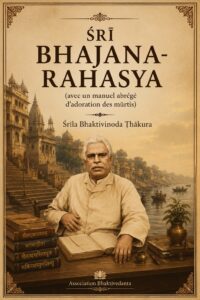
His literary legacy is vast. His most influential works include Jaiva-dharma, Śrī Harināma-cintāmaṇi, Bhakti-tattva-viveka, Śrī Bhajana-rahasya, Kalyāṇa-kalpataru, Śaraṇāgati, and numerous devotional songs that continue to be sung daily throughout the Vaiṣṇava world. Through these writings, he clearly explained the principles of śuddha-bhakti, the practice of harināma, the progressive stages of sādhana leading to prema, and the deepest teachings of the school established by Śrī Rūpa Gosvāmī.
From the Vaiṣṇava perspective, Bhaktivinoda Ṭhākura is regarded as an instrument of the mercy of Śrī Caitanya Mahāprabhu. His entire life was dedicated to preparing the worldwide revival of the saṅkīrtana movement. He profoundly inspired his son and disciple, Śrīla Bhaktisiddhānta Sarasvatī Ṭhākura, who carried this mission forward through the establishment of the Gauḍīya Maṭha and the training of a new generation of preachers. Through this disciplic succession, Bhaktivinoda Ṭhākura's influence now extends across most contemporary branches of the Brahma-Madhva-Gauḍīya-sampradāya.
Vaiṣṇavas honor him as a model of humility, scholarship, compassion, and unwavering spiritual determination. Despite his immense literary contribution and profound scriptural learning, he consistently regarded himself as a humble servant of the servants of Śrī Hari. His life teaches that true greatness lies neither in reputation nor in intellectual achievement but in cultivating a sincere relationship with Śrī Śrī Rādhā-Kṛṣṇa under the guidance of śrī guru and the Vaiṣṇavas.
More than a century after his departure in 1914, Śrīla Bhaktivinoda Ṭhākura's writings remain essential reading for anyone seeking to understand the philosophy, practice, and inner spirit of Gauḍīya Vaiṣṇavism. His legacy continues to inspire generations of practitioners and scholars alike, firmly establishing him as one of the principal architects of the modern renaissance of bhakti and one of the foremost teachers in the tradition of Śrī Caitanya Mahāprabhu.