Biblioteca Vaisnava
Vedic philosophy platform
Biblioteca Vaisnava
Vedic philosophy platform
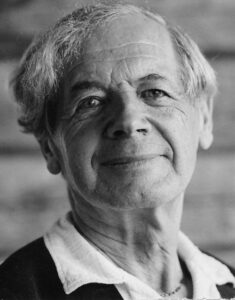
Walter Eidlitz
Biografía
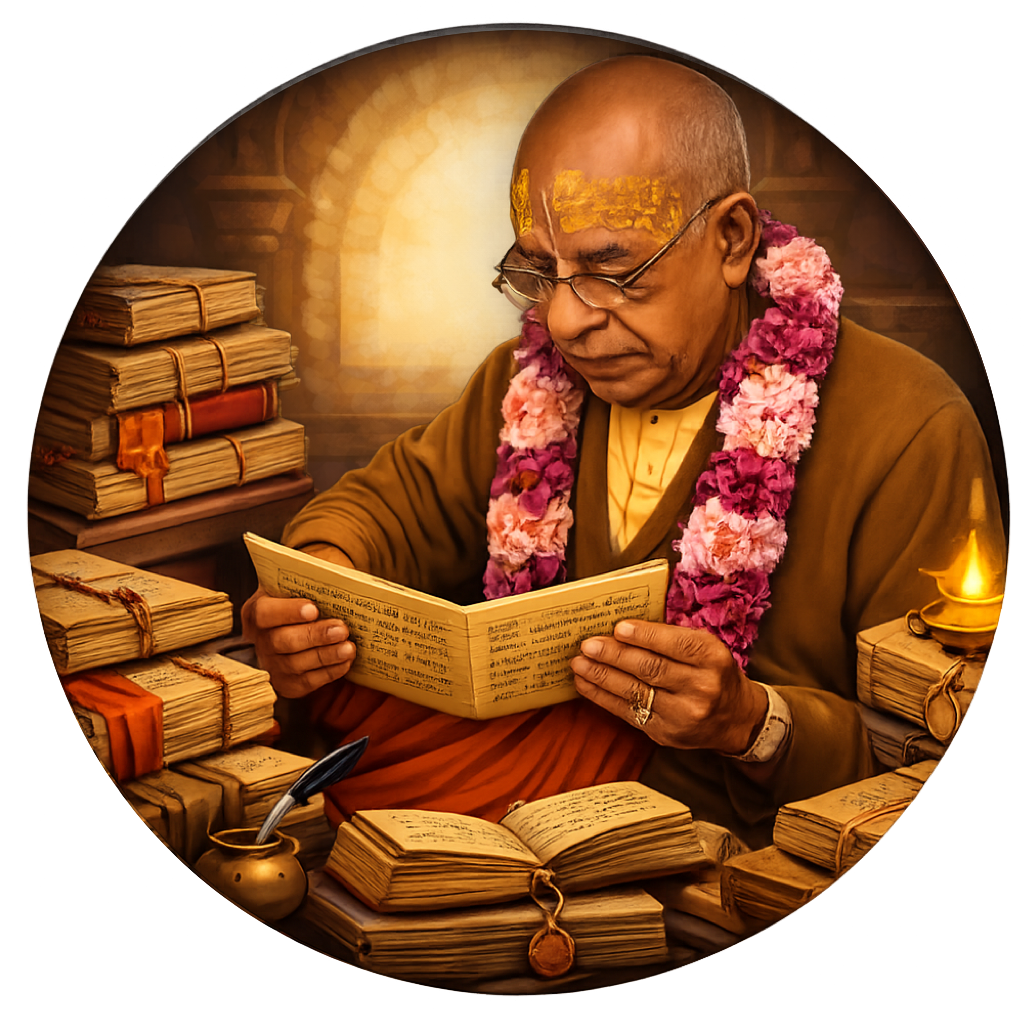
Walter Eidlitz (Vienna, Austria, August 28, 1892 – Vaxholm, Sweden, August 28, 1976), known as Vāmana Dāsa, was an author, poet, and scholar of Indian religious traditions who became one of the earliest Western writers to introduce the theology and practice of Gaudiya Vaisnavism to a European audience. His life represents the transformation of a Western intellectual into a sincere practitioner of Bhakti-yoga, an experience that profoundly shaped all of his literary work.
Driven by a deep interest in Indian philosophy and spirituality, Eidlitz left Austria in 1938 to undertake a journey that would eventually lead him to India. During the Second World War, he was interned by the British authorities because of his Austrian nationality. Rather than interrupting his spiritual quest, this period became a decisive turning point. While in the internment camp, he met Swami Sadananda Dasa (Ernst Georg Schulze), one of the first Western disciples of Bhaktisiddhānta Sarasvatī Ṭhākura, who personally instructed him for several years in Sanskrit, the sacred scriptures, and the principles of Bhakti-yoga.
After the war, Eidlitz formally entered the Gaudiya Vaisnavism tradition through initiation by Bhakti Hridaya Bon Maharaj, a disciple of Bhaktisiddhānta Sarasvatī Ṭhākura, receiving the spiritual name Vāmana Dāsa (some historical sources also mention the name Vimala-Krishna Vidyavinoda Dasa). From that time onward, he dedicated his life to studying, practicing, and presenting the teachings of Śrī Caitanya Mahāprabhu, convinced that genuine spiritual realization depends not on one's cultural background but on sincere devotion and faithful study of the śāstras.
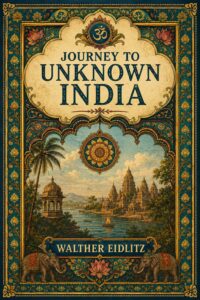
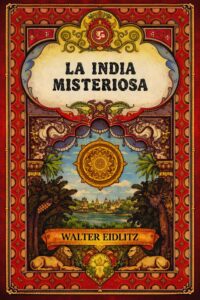
After settling in Sweden, Eidlitz became an active lecturer, translator, and author. Among his best-known works are Unknown India—an autobiographical account of his spiritual transformation—and Krishna-Caitanya: His Life and His Teachings, one of the earliest comprehensive presentations of the life and theology of Śrī Caitanya Mahāprabhu written by a Western devotee. These publications played an important role in introducing Gaudiya Vaisnavism to Europe decades before its wider international expansion.
Within the history of Bhakti-yoga, Walter Eidlitz occupies a unique place as one of the first Western seekers who not only studied Vaiṣṇava philosophy academically but fully embraced devotional practice, leaving behind a body of work that continues to inspire readers interested in the teachings of Śrī Caitanya Mahāprabhu and the devotional tradition of Gaudiya Vaisnavism.was an author, poet, and scholar of Indian religious traditions who became one of the earliest Western writers to introduce the theology and practice of Gaudiya Vaisnavism to a European audience. His life represents the transformation of a Western intellectual into a sincere practitioner of Bhakti-yoga, an experience that profoundly shaped all of his literary work.
Driven by a deep interest in Indian philosophy and spirituality, Eidlitz left Austria in 1938 to undertake a journey that would eventually lead him to India. During the Second World War, he was interned by the British authorities because of his Austrian nationality. Rather than interrupting his spiritual quest, this period became a decisive turning point. While in the internment camp, he met Swami Sadananda Dasa (Ernst Georg Schulze), one of the first Western disciples of Bhaktisiddhānta Sarasvatī Ṭhākura, who personally instructed him for several years in Sanskrit, the sacred scriptures, and the principles of Bhakti-yoga.
After the war, Eidlitz formally entered the Gaudiya Vaisnavism tradition through initiation by Bhakti Hridaya Bon Maharaj, a disciple of Bhaktisiddhānta Sarasvatī Ṭhākura, receiving the spiritual name Vāmana Dāsa (some historical sources also mention the name Vimala-Krishna Vidyavinoda Dasa). From that time onward, he dedicated his life to studying, practicing, and presenting the teachings of Śrī Caitanya Mahāprabhu, convinced that genuine spiritual realization depends not on one's cultural background but on sincere devotion and faithful study of the śāstras.
After settling in Sweden, Eidlitz became an active lecturer, translator, and author. Among his best-known works are Unknown India—an autobiographical account of his spiritual transformation—and Krishna-Caitanya: His Life and His Teachings, one of the earliest comprehensive presentations of the life and theology of Śrī Caitanya Mahāprabhu written by a Western devotee. These publications played an important role in introducing Gaudiya Vaisnavism to Europe decades before its wider international expansion.
Within the history of Bhakti-yoga, Walter Eidlitz occupies a unique place as one of the first Western seekers who not only studied Vaiṣṇava philosophy academically but fully embraced devotional practice, leaving behind a body of work that continues to inspire readers interested in the teachings of Śrī Caitanya Mahāprabhu and the devotional tradition of Gaudiya Vaisnavism.