Biblioteca Vaisnava
Vedic philosophy platform
Biblioteca Vaisnava
Vedic philosophy platform
Ātmā
Atman is the eternal conscious self described in the philosophical and spiritual traditions of India. Often translated as “soul,” the Sanskrit term carries a deeper meaning, referring to the true identity of a living being beyond the physical body, emotions, intellect, and temporary social roles.
Across many Hindu schools of thought, Atman is understood as unborn, indestructible, and everlasting. While bodies change and eventually perish, the self continues to exist. This principle forms the basis of key doctrines such as karma, rebirth, and liberation from material existence.
In Vaishnava theology, the atman is an individual spiritual being endowed with consciousness and free will. It is distinct from both matter and the Supreme Being, yet shares a spiritual nature with God. The soul's natural condition is loving devotion and service to Bhagavan. Because of ignorance and identification with the material world, the atman becomes entangled in the cycle of samsara, repeatedly taking birth in different bodies.
The concept is extensively discussed in foundational texts such as the Bhagavad-gita, the Upanishads, and the Srimad-Bhagavatam. Realizing one's identity as atman rather than as the temporary body is regarded as a crucial step toward self-realization and spiritual awakening.
Libros relacionados
⭐
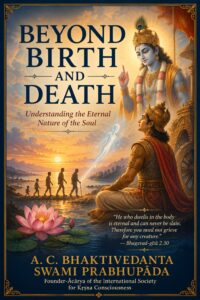
Beyond Birth and Death
Srila Prabhupāda
English
⭐
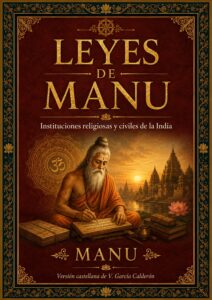
Leyes de Manu
Manu
Español
⭐
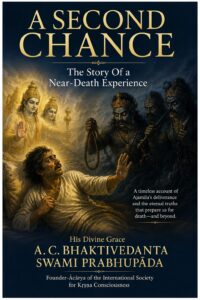
A Second Chance: The History of Near-Death Experience
Srila Prabhupāda
English
⭐
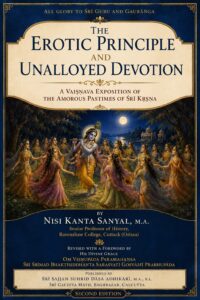
The erotic principle and unalloyed devotion
Nisi Kanta Sanyal
English
⭐
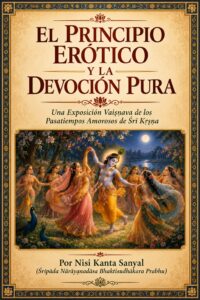
El principio erótico y la devoción pura
Nisi Kanta Sanyal
Español
⭐
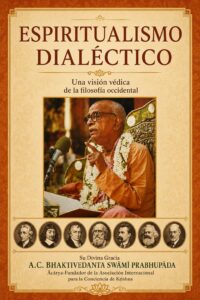
Espiritualismo Dialéctico
Srila Prabhupāda
Español
⭐
Analogias de Srila Prabhupada
Srila Prabhupāda
Español
⭐
Au-delà de la libération
Śrīla Bhaktivedānta Nārāyaṇa Gosvāmī Mahārāja
Français
⭐

Capula
Mahā-mantra Dās
Español