
Biblioteca Vaisnava
Vedic philosophy platform
Biblioteca Vaisnava
Vedic philosophy platform
Rasa
In Indian philosophy and aesthetic theory, Rasa (Sanskrit: रस, meaning "essence," "taste," or "flavor") refers to the aesthetic flavor experienced through art, poetry, and drama. In Gaudiya Vaishnavism, Rupa Gosvami adapted this concept from Sanskrit aesthetics to explain the science of divine love (bhakti-rasa). According to this theology, the soul's eternal relationship with God is characterized by a specific spiritual flavor. Rupa Gosvami categorized these exchanges into five primary relationships: passive adoration (santa), active servitude (dasya), friendship (sakhya), parental affection (vatsalya), and conjugal love (madhurya). The goal of spiritual practice is to clean the heart of material desires so the soul can awaken to its unique, eternal relationship (rasa) with Krishna. This concept is significant because it defines spiritual perfection not as the cessation of feeling or an impersonal merger with the Absolute, but as the height of personalized emotional exchange and loving reciprocity in the spiritual realm. This relational dynamic emphasizes that spiritual life is not about extinguishing our emotions, but about purifying them to target their original, divine source.
Libros relacionados
⭐
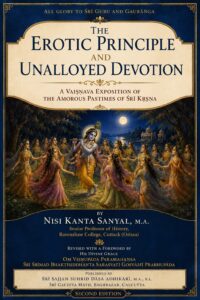
The erotic principle and unalloyed devotion
Nisi Kanta Sanyal
English
⭐
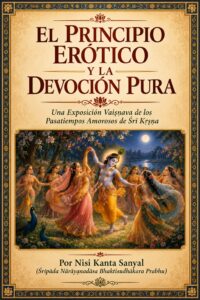
El principio erótico y la devoción pura
Nisi Kanta Sanyal
Español
⭐
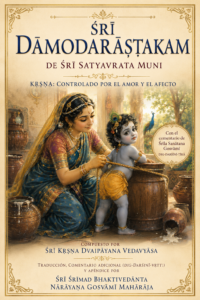
Damodarastakam
Satyavrata Muni
Español
⭐

El poder del MahaMantra
Śrīla Bhaktivedānta Nārāyaṇa Gosvāmī Mahārāja
Español
⭐

Au-delà de la libération
Śrīla Bhaktivedānta Nārāyaṇa Gosvāmī Mahārāja
Français